
Why Oral Cancer Screening Matters
Oral cancer is among the most treatable cancers when detected early, but its outcomes worsen significantly when it is caught at a later stage. Many people are unaware that a dental hygiene appointment is one of the most practical opportunities for early detection. At A Cleaner Smile in St. Catharines, oral cancer screening is a routine part of your hygiene care, not an optional extra.
What Does an Oral Cancer Screening Involve?
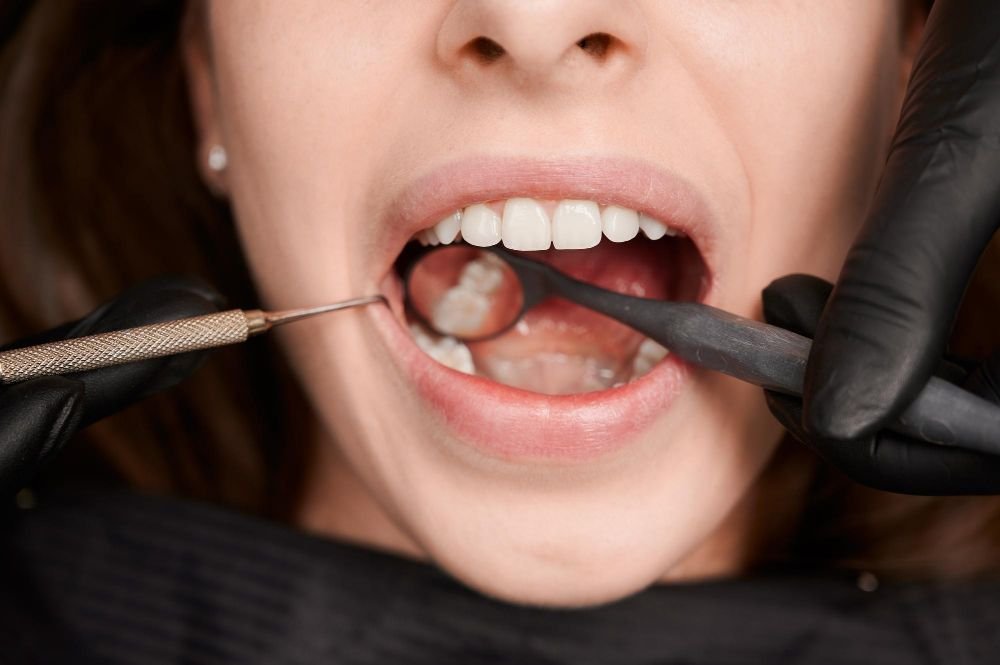
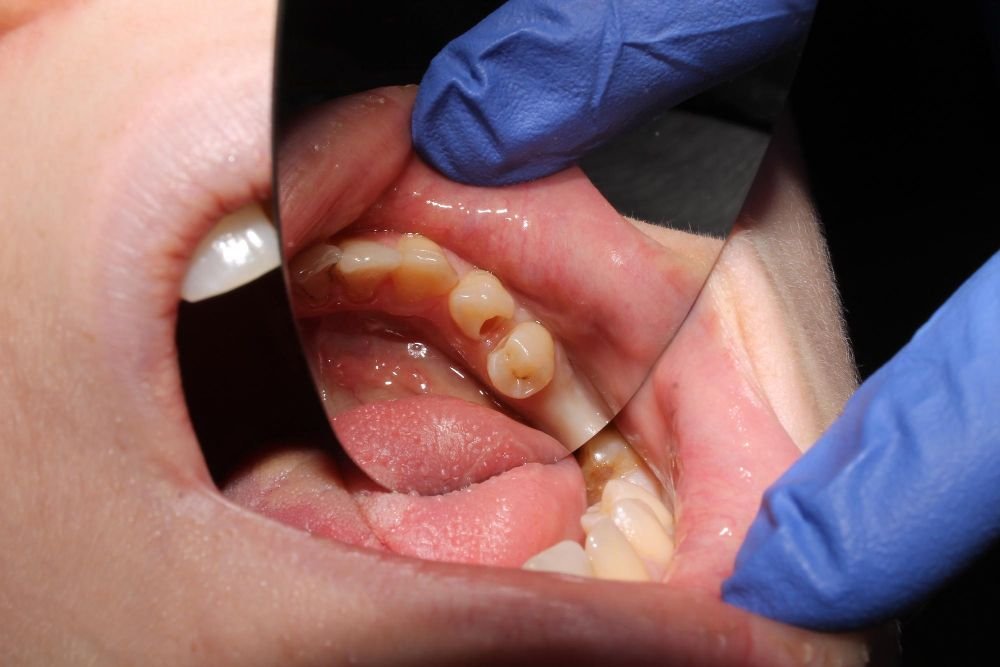
During a screening, your hygienist carefully examines the tissues of your mouth, including your lips, cheeks, gums, tongue, the floor of the mouth, and the roof of the mouth, looking for any abnormal changes in colour, texture, or shape. Lumps, unusual sores that do not heal, white or red patches, and areas of thickening are all noted and assessed. The screening takes only a few minutes and is completely non-invasive. If anything unusual is identified, your hygienist will advise on appropriate next steps, which may include a referral to your physician or dentist for further evaluation.
Who Should Have Regular Oral Cancer Screenings?
Oral cancer screenings are appropriate for all adults, regardless of whether they use tobacco or alcohol. While tobacco and heavy alcohol use are known risk factors, oral cancer does affect non-smokers and non-drinkers as well. Given that early detection dramatically improves outcomes, a routine screening at every hygiene visit is the most straightforward protective measure available.
Patients from St. Catharines, Welland, Fort Erie, Port Colbourne, and throughout the Niagara Region visit A Cleaner Smile for oral cancer screenings as part of their regular hygiene appointments. No referral is required.
Questions About Oral Cancer Screening in St. Catharines
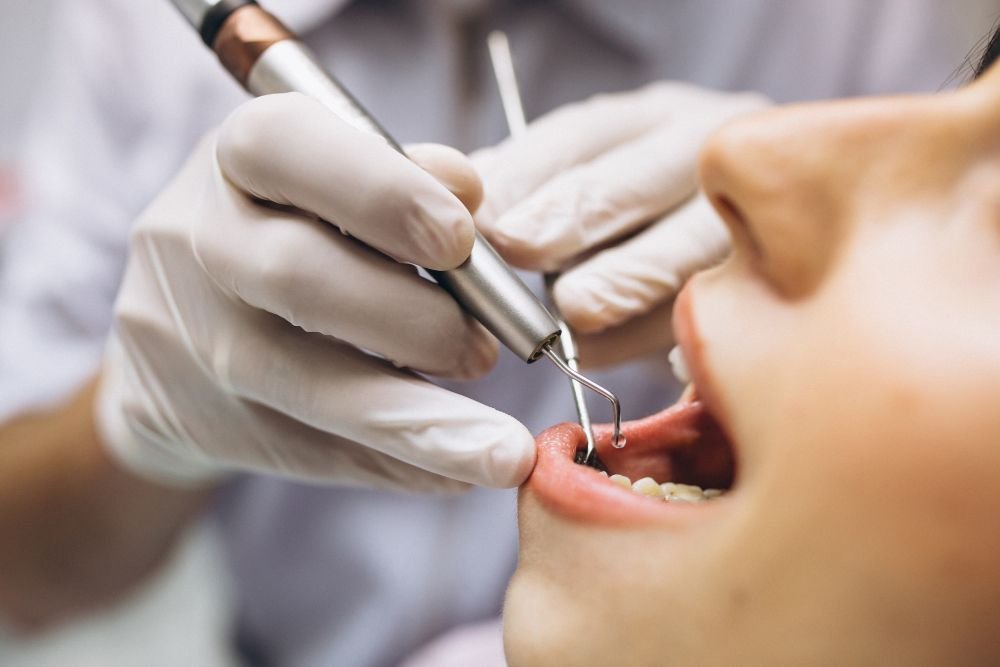
Yes. At A Cleaner Smile, oral cancer screening is a standard component of your hygiene appointment. Your hygienist will examine the soft tissues of your mouth as part of the routine visit.
A screening at every regular hygiene visit is recommended. For most patients that means once every six months, though your hygienist may suggest a different interval based on your overall health history.
Your hygienist will explain what was observed and recommend an appropriate next step. This may involve monitoring the area at a follow-up appointment or a referral to your physician or dentist for further assessment. Finding something unusual during a screening does not necessarily mean cancer is present.
Also see: Teeth Cleaning and Polish | Scaling | Dental Sealants